
Şah plov
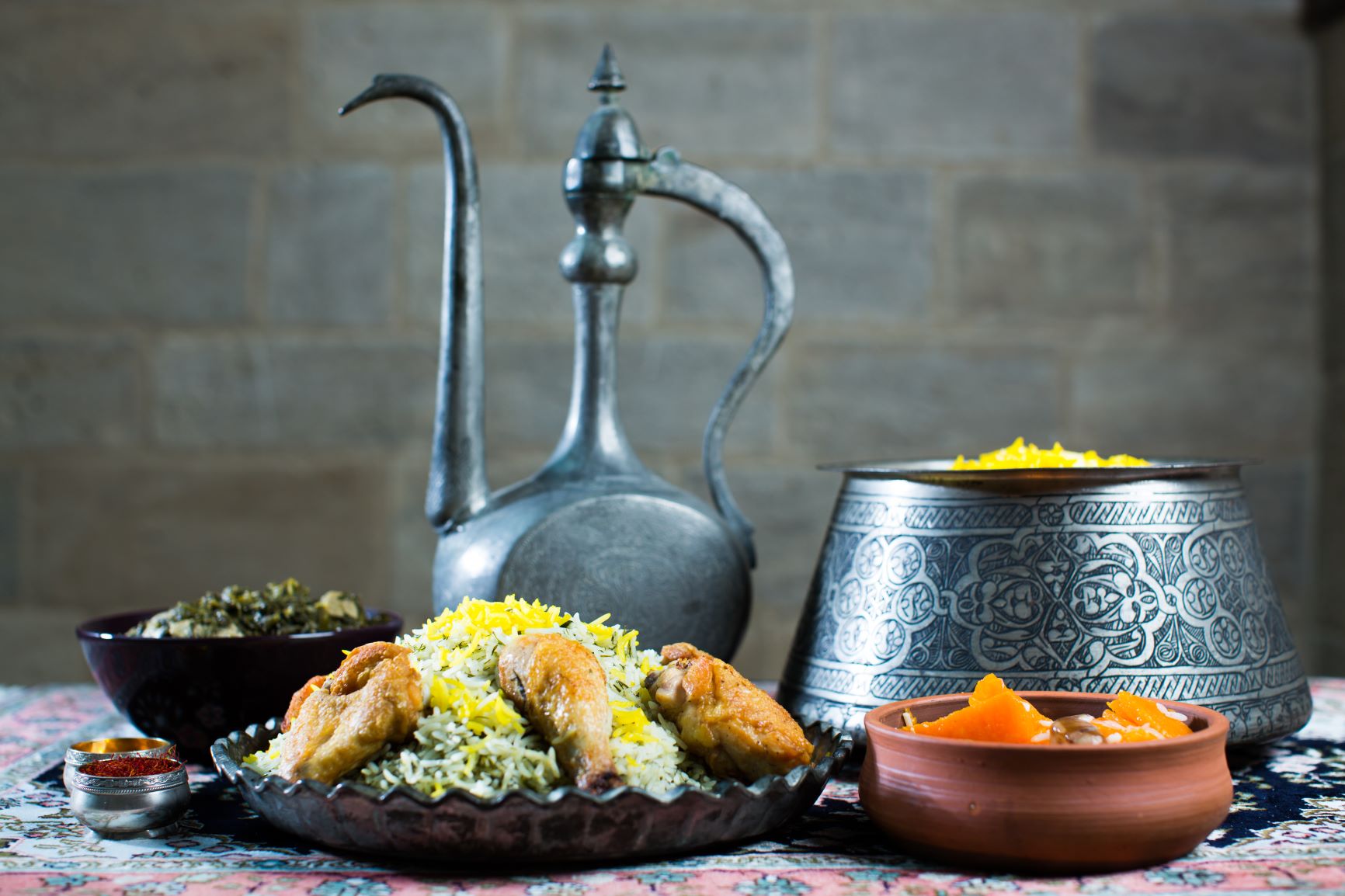
Daha çox toylarda və ya xüsusi günlərdə verilən şah plovu ‘plovların kralı’ adlandırırlar və ən çox qovurma - bişmiş ət, qoz-fındıq, quru meyvə və otlar ilə verirlər. Şah plov həm ləzzətli bir yeməkdir, həm də unudulmaz bir daddır. Yağlı lavaş çörəyi örtüyü ilə bir-birinə yapışdırılan plovu kəsdikdən sonra, düyü və digər məhsulların heyrətləndirici ətri sizə qalıcı bir təəssürat bəxş edəcəkdir.

Digər bloq yazıları
Kabablar
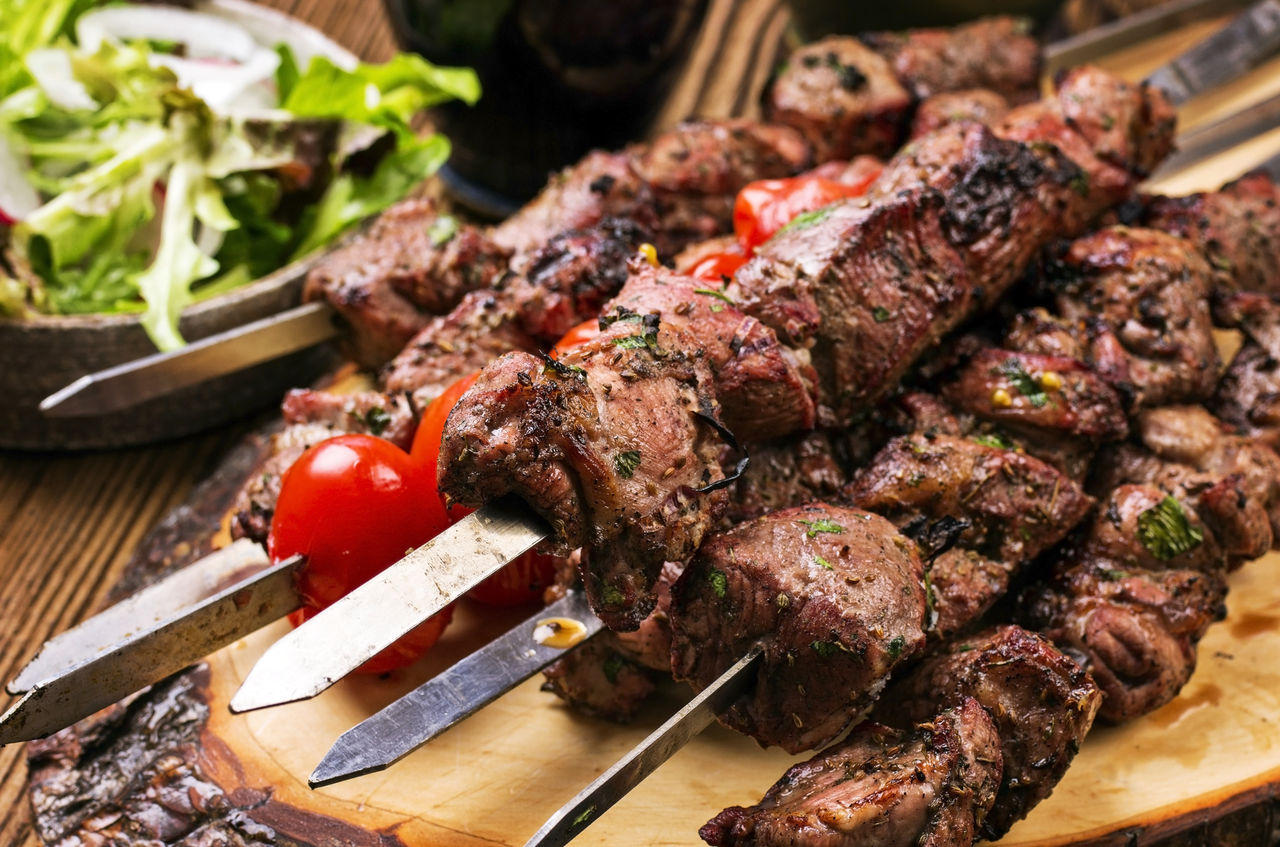
Soğan, sirkə və nar şirəsi sousuna batırılmış, iri şişə vurulmuş və manqalda qızardılmış quzu parçaları - bu hələ bir çox Azərbaycan kabab növlərindən yalnız biridir! Bəziləri quzu və ya mal əti ilə, bəziləri isə toyuq və ya balıq ilə hazırlanır. Kartof, badımcan, yaşıl bibər, göbələk və pomidor kimi tərəvəzlər ümumiyyətlə əlavə dad və ləzzət əlavə edir. "Tikə" və "lülə" kababı ən məşhur iki növdür: "tikə" basdırma edilmiş quzu hissələrindən hazırlanır, "lülə" isə şişə bükülmüş ətdən hazırlanır.
Çörək
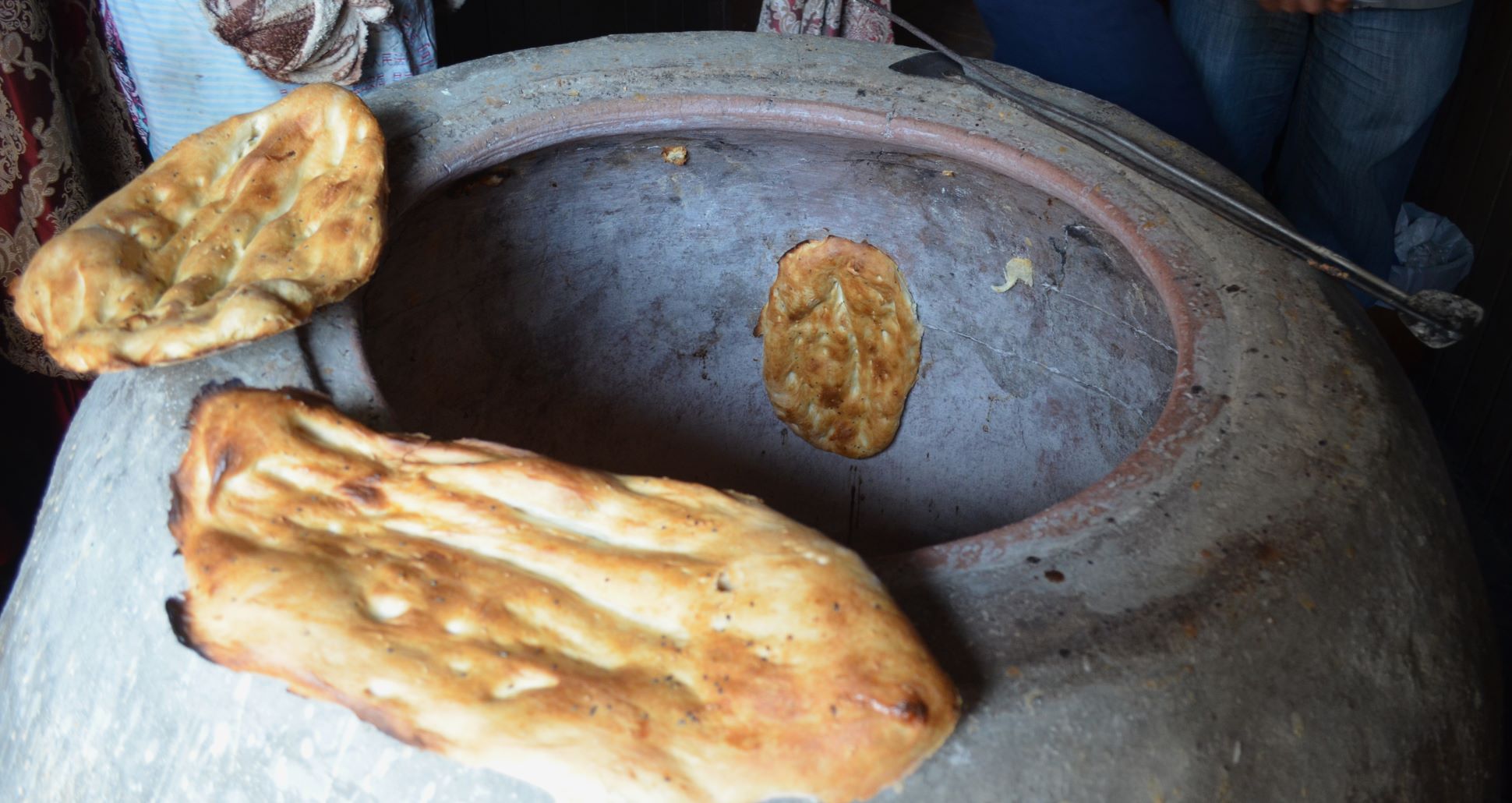
Çörəyə qarşı olan dərin hörmətimiz, səmimi və ürəkdəndir: ona and içirik və heç vaxt çölə atmırıq. Ölkədə müxtəlif çörəklər bişirilir, ən məşhurları "təndir" və "lavaşdır". "Təndir" yumurta sarısı ilə yağlanaraq gil sobada bişirildiyi halda, "lavaş" gofret kimi incə olur və "sacda" bişirilir.
Şah plov
Daha çox toylarda və ya xüsusi günlərdə verilən şah plovu ‘plovların kralı’ adlandırırlar və ən çox qovurma - bişmiş ət, qoz-fındıq, quru meyvə və otlar ilə verirlər. Şah plov həm ləzzətli bir yeməkdir, həm də unudulmaz bir daddır. Yağlı lavaş çörəyi örtüyü ilə bir-birinə yapışdırılan plovu kəsdikdən sonra, düyü və digər məhsulların heyrətləndirici ətri sizə qalıcı bir təəssürat bəxş edəcəkdir.
Düşbərə
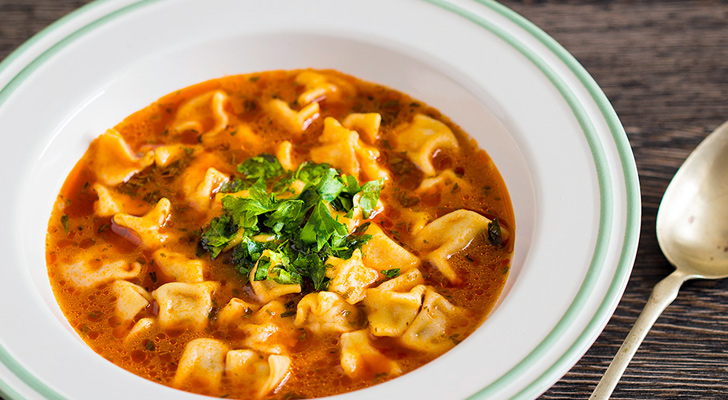
Düşbərə, ölkənin hər yerində məşhur olsa da, əsl Bakı ləzzəti sayılan ənənəvi, bir köftəli şorbadır. Sirkə və sarımsaq sousu ilə hazırlanan bulyonda qaynadılmış xırda ət köftələrindən ibarətdir. Ənənəyə görə, azərbaycanlılar düşbərə köftələrinin hamısını bir xörək qaşığına sığacaq qədər kiçik edə bilməlidirlər! Düşbərənin hazırlanması çoxlu vaxt tələb etsə də, bu yemək qışda adamı isti saxlayır.